Queen of the Skies
The best Boeing 747 models: variants and liveries explained
The Boeing 747 profile is unmistakable, but each variant represents a different era. Choosing well means deciding which generation, passenger or cargo role, and aviation story you want to preserve.
In brief
- Identify whether it is a 747-100/200, 747-400 or 747-8.
- Check the hump, wing tips, engines and registration.
- Classic passenger and modern cargo liveries tell different stories.
Know the variant
Early 747s have a short upper deck. The 747-400 introduced an extended upper deck and winglets; the longer 747-8 uses raked wingtips and newer engines.
A reliable listing should name the variant. It matters as much as the airline when recreating a period or fleet.
Details worth checking
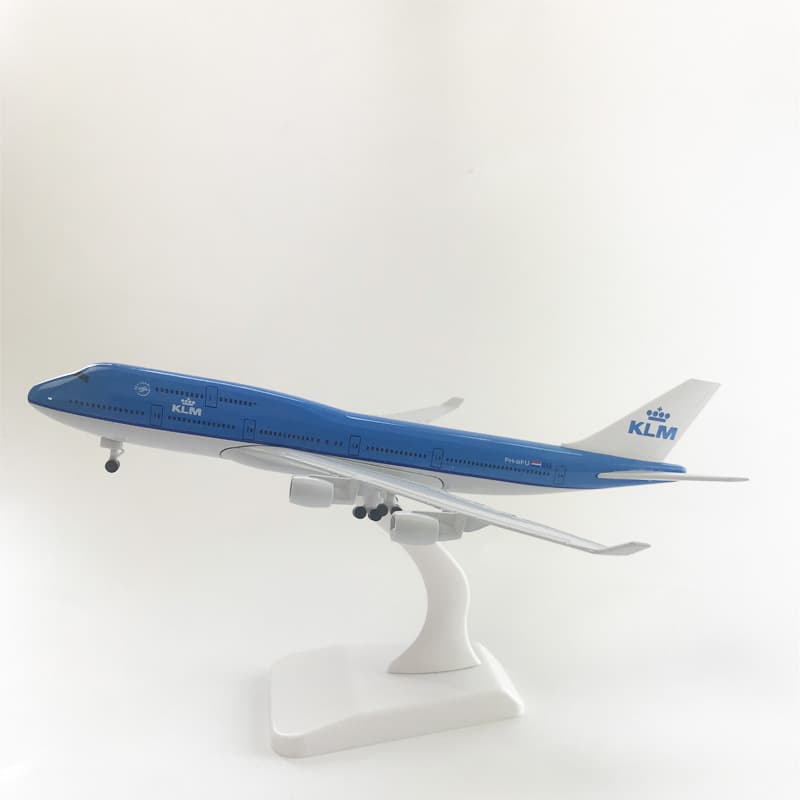
Inspect the upper-deck contour, four-engine symmetry and the alignment of wings and tail. On a 747-400, the winglets should look proportionate and straight.
The registration links the model to a real airframe. Fine livery lines, cargo doors and logos reveal print quality.
Passenger, cargo or presidential
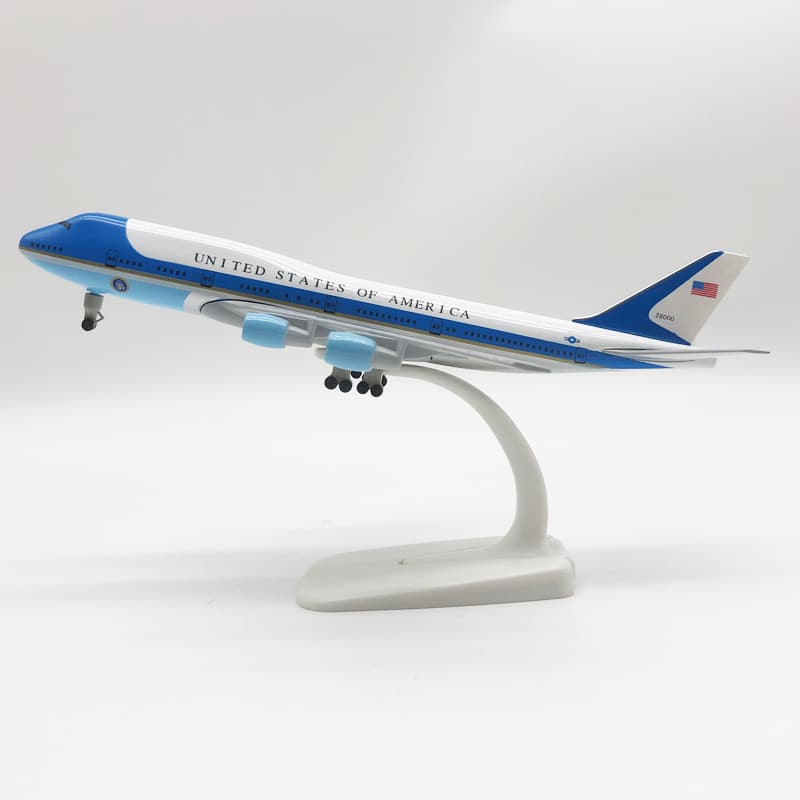
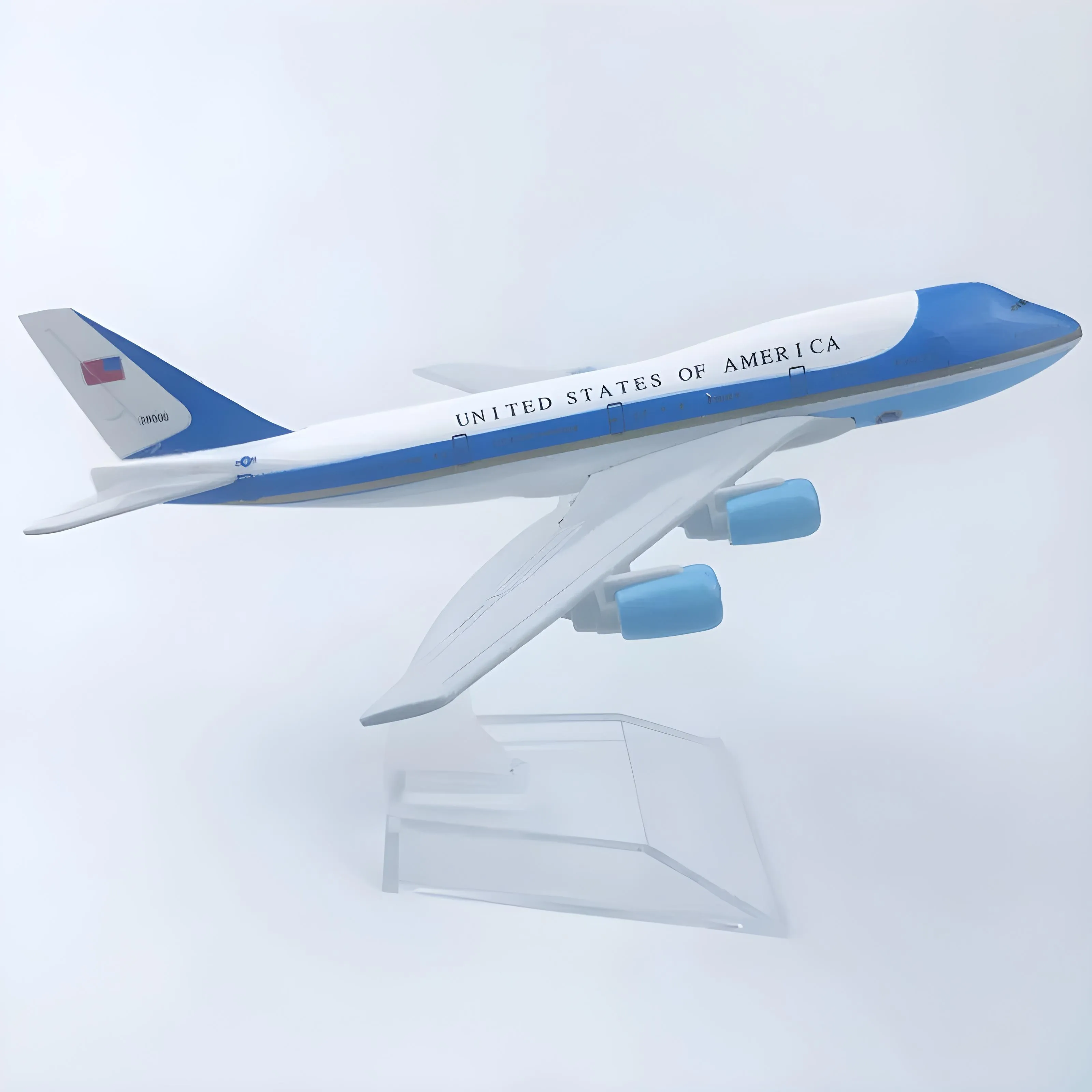
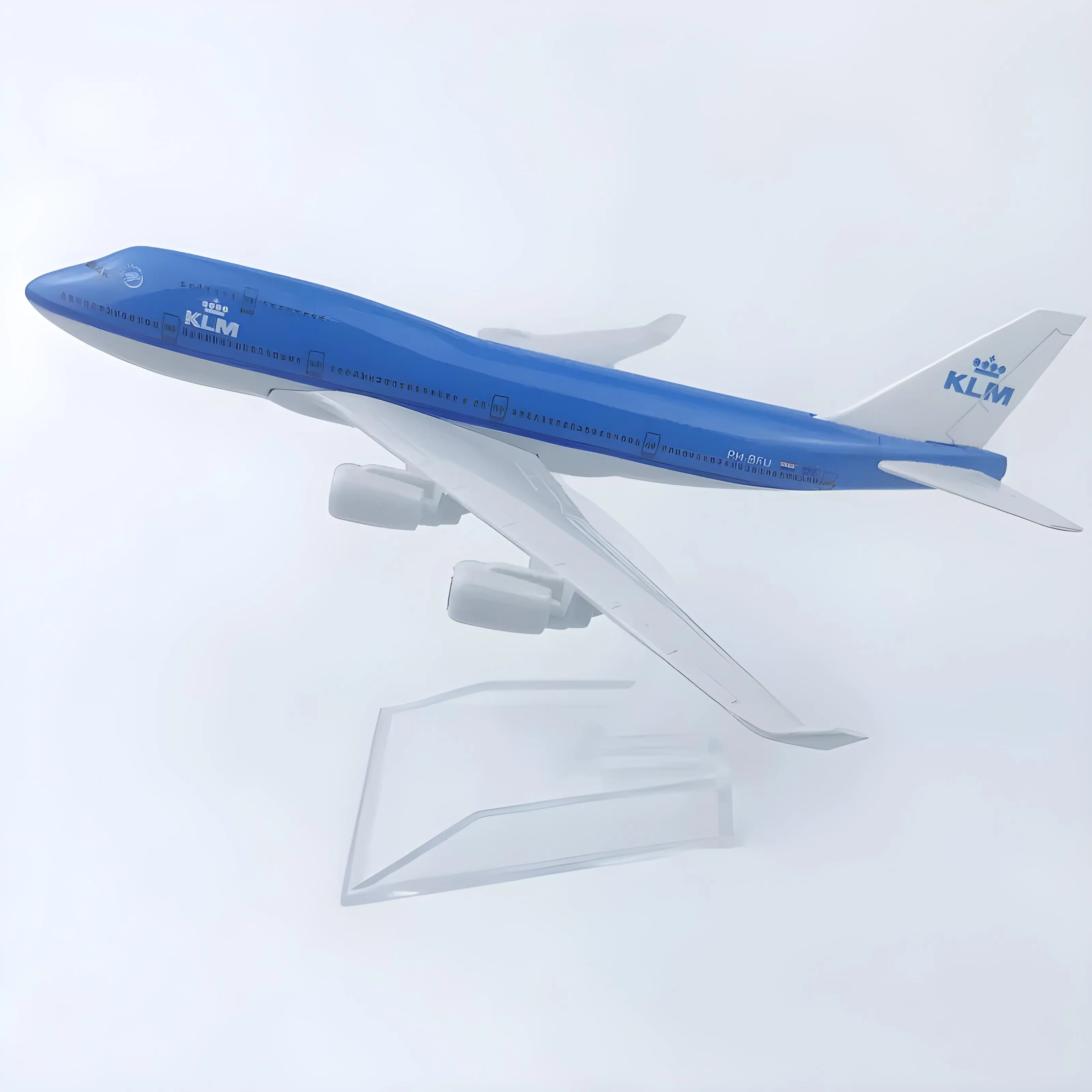
Pan Am, British Airways, Lufthansa, KLM and JAL helped define the passenger jumbo. Freighters show the 747's continuing role; Air Force One offers a distinctive historical angle.
There is no single best livery. Focus on classic operators, present-day cargo fleets or aircraft you saw in person.
Size on the shelf
A 70.7-metre 747-400 is about 17.7 cm long in 1:400 and 15.7 cm in 1:450. The 747-8 is longer. Leave clearance around the tail and wings, especially when variants share a shelf.
Frequently asked questions
How does a 747-400 differ from a 747-8?
The 747-8 is longer and has raked wingtips; the 747-400 normally has upright winglets and represents an earlier generation.
Which scale is best for a 747?
1:400 gives more presence; 1:450 saves space. Both preserve the jumbo silhouette well.
Why does the registration matter?
It identifies a particular airframe and connects the model with real routes, history and photographs.