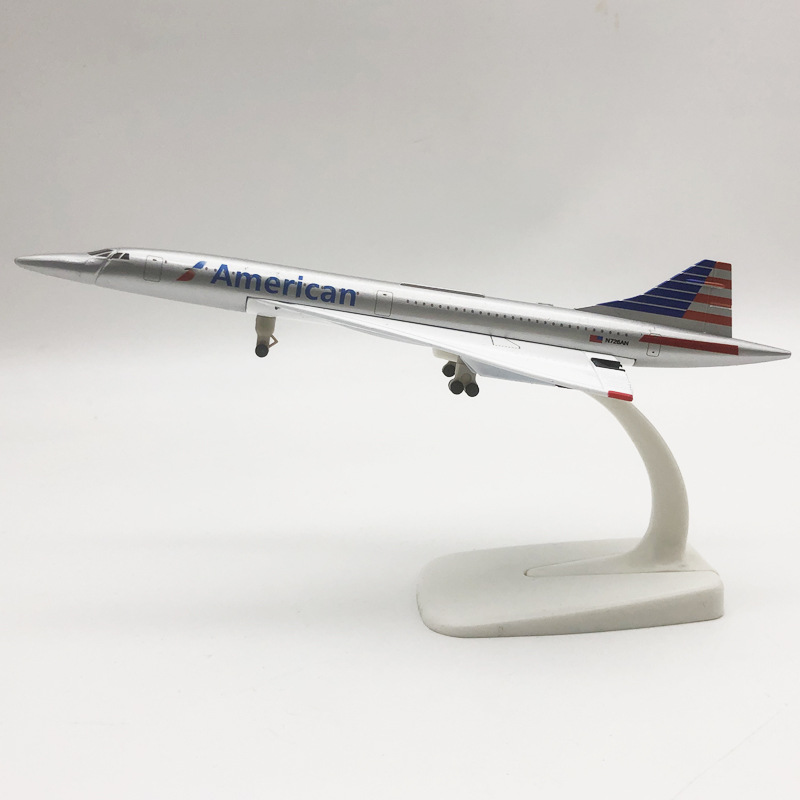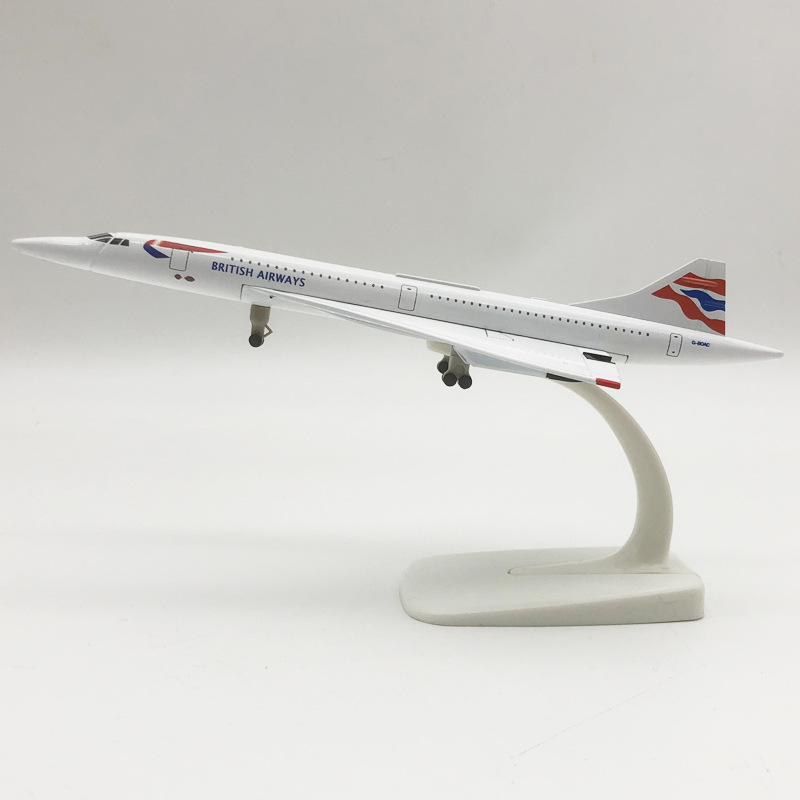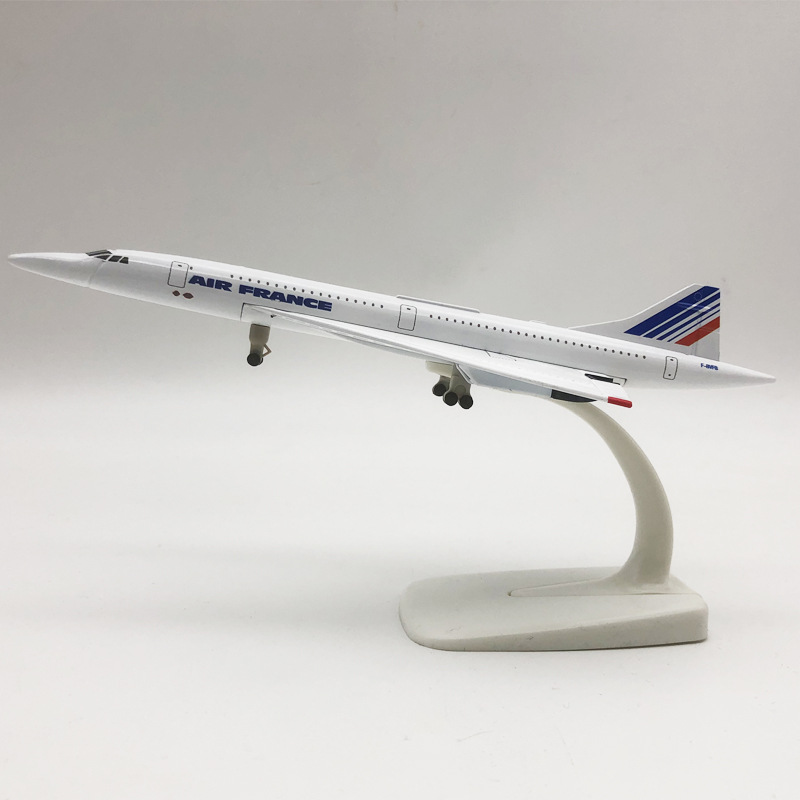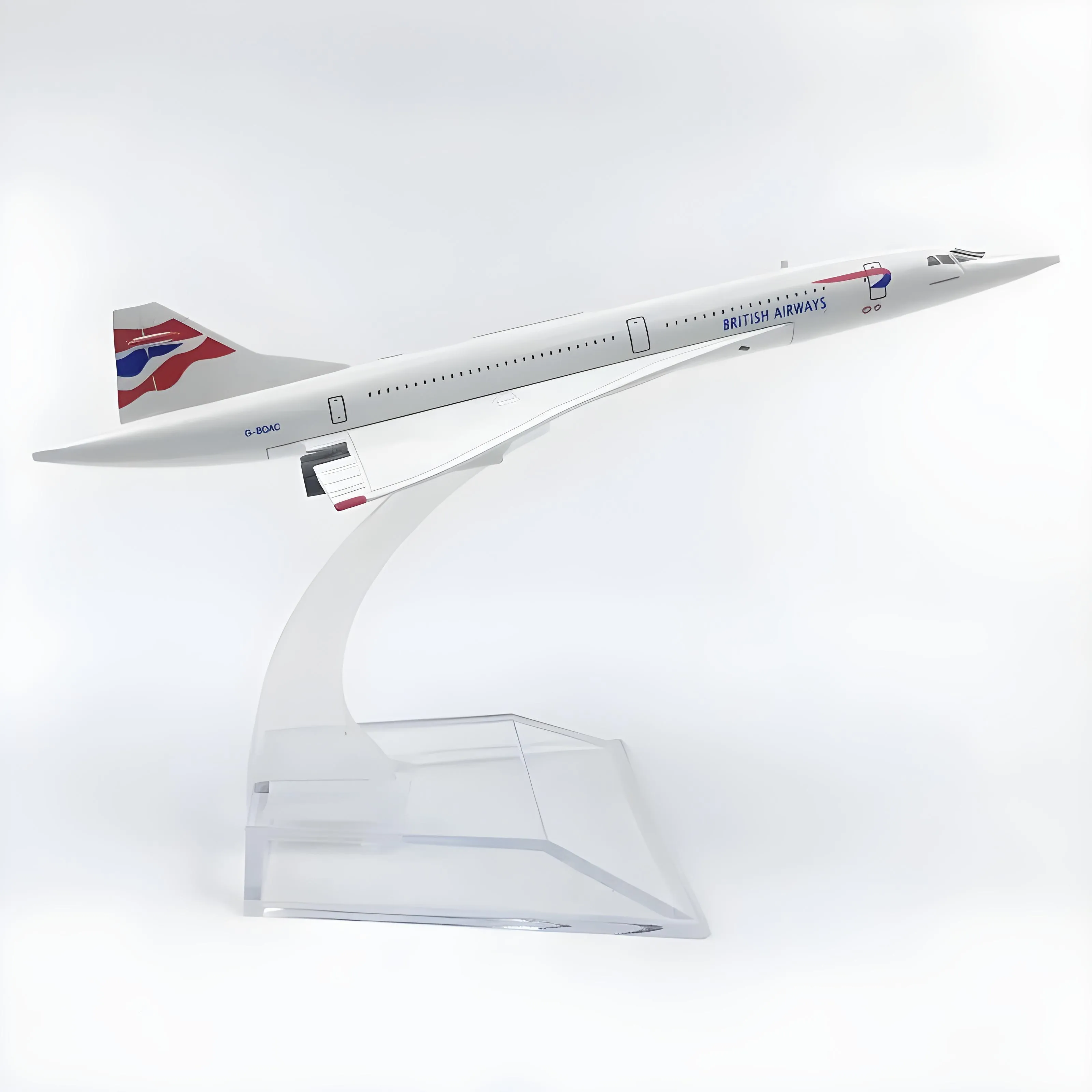
Aviation history
Concorde history: Europe's supersonic dream
Concorde made scheduled supersonic passenger travel real. Its delta wing, drooping nose and Mach 2 cruise created an aircraft unlike any other airliner.
In brief
- A dated timeline connects each aircraft to a specific stage of commercial aviation.
- Variants, registrations and liveries reveal more history than a model name alone.
- A consistent scale makes technological change visible across a collection.
Origins and ambition
Concorde made scheduled supersonic passenger travel real. Its delta wing, drooping nose and Mach 2 cruise created an aircraft unlike any other airliner.
From its 1969 first flight to retirement in 2003, explore Concorde's technology, service and enduring legacy.
Aircraft that changed the market
The milestones in this story explain why concorde history: europe's supersonic dream remains relevant to aviation enthusiasts and collectors.
Evolution and legacy
Technology, airline economics and changing passenger expectations shaped each new chapter. Registrations and liveries allow a model to be placed precisely within that timeline.
A collector's perspective
Choose a consistent scale and combine an early example, a defining production version and a later evolution to make the historical progression visible on the shelf.
Frequently asked questions
Why is this chapter of aviation history important?
From its 1969 first flight to retirement in 2003, explore Concorde's technology, service and enduring legacy.
How can it be represented in a collection?
Use a consistent scale and choose models from different periods, checking the variant, registration and livery.
Do liveries help date a model?
Yes. Logos, colours, registrations and special markings often identify a very specific period.